

為何選擇Micro-epsilon ?
- 更高精度與創新——德國製造
- 攜手客戶:系列化產品的品質與解決方案專業能力 & OEM
- 在電池製造領域具備深入的技術與實務知識
- 高精度感測器與在線測量系統,單一來源供應
更精密的電池生產
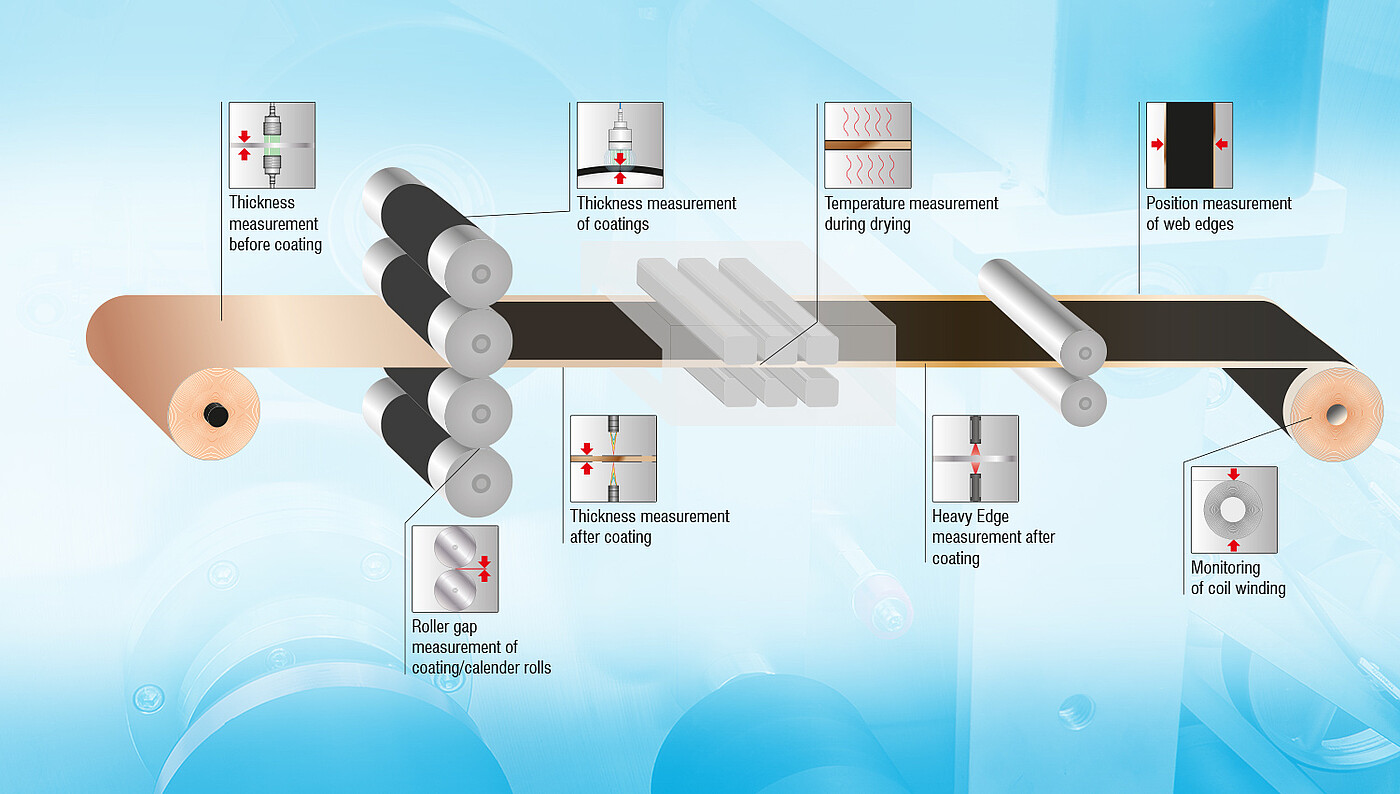
Micro-Epsilon 為多樣化的電池生產應用提供最適解決方案 —— 從在線厚度量測、精密設備監測到 3D 表面檢測。我們的感測器已獲全球領先的電池製造商與汽車大廠採用,並憑藉其極高的精準度與可靠性深獲業界肯定
Advantages at a glance
- Precise measurements even at high ambient temperatures
- Sensors compatible with drag chains
- Passive sensors – also for explosive environments
- Multi-track measurements
- Strip tilting compensation
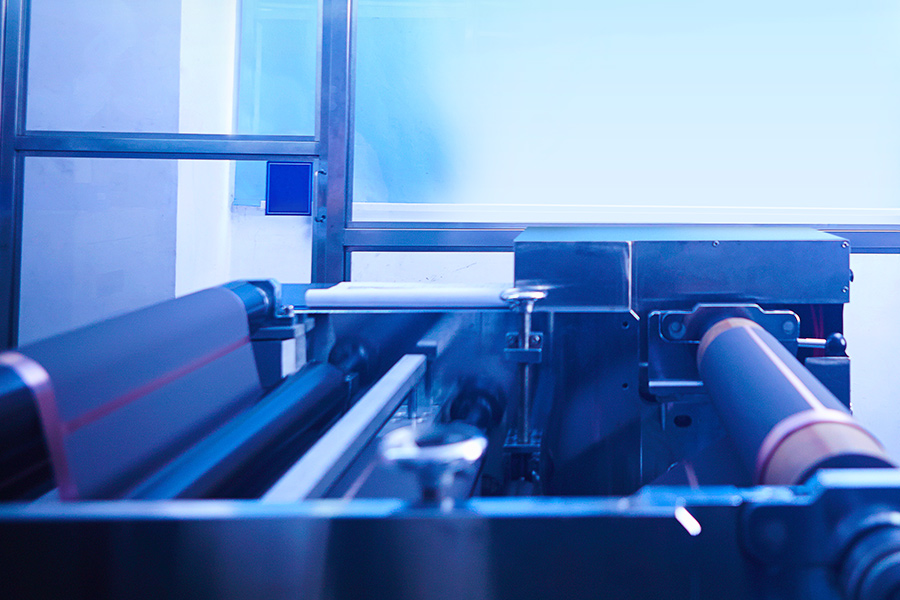
Highly precise sensors for measuring the thickness of battery films
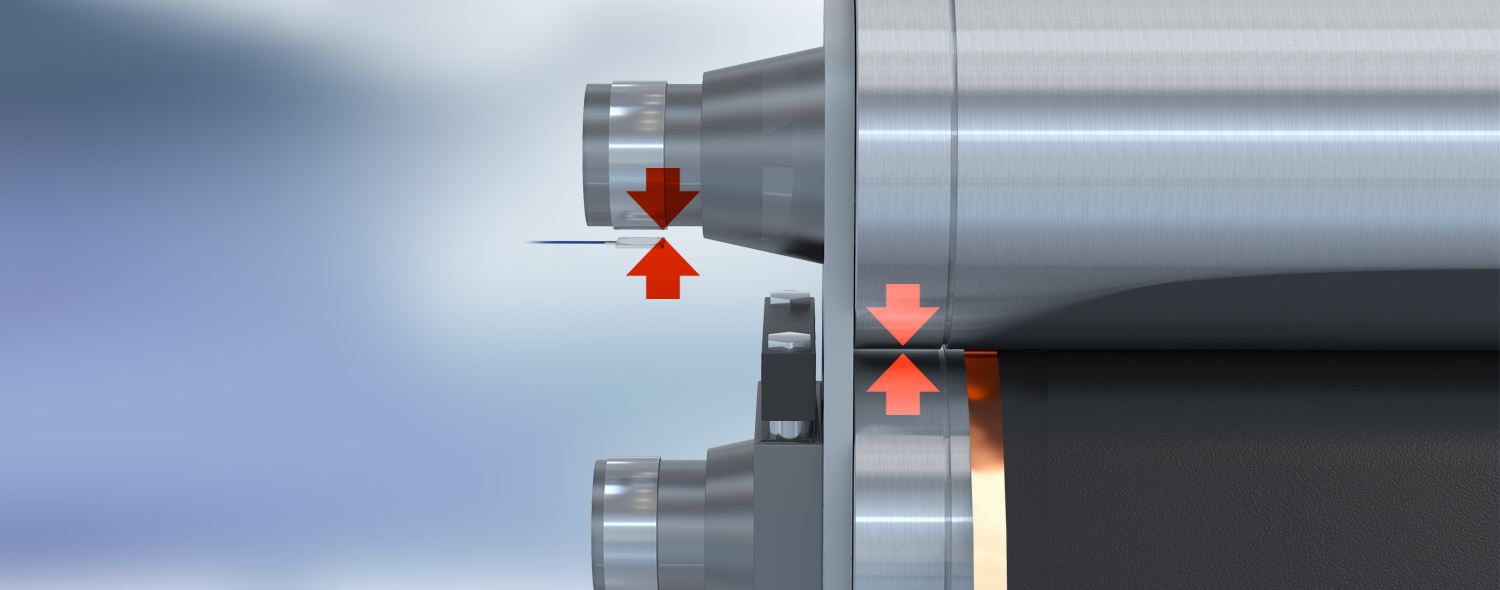
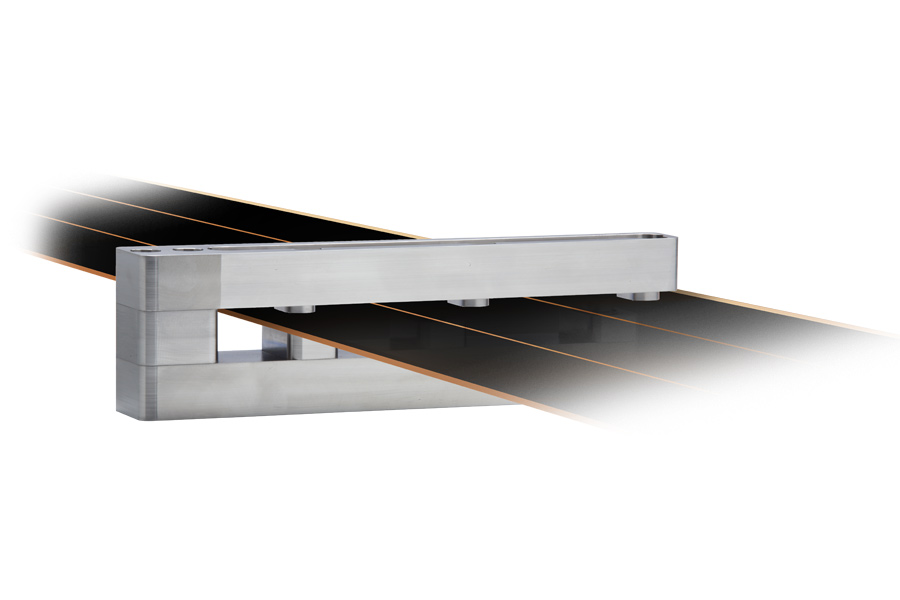
Non-contact displacement sensors from Micro-Epsilon offer numerous advantages in thickness measurement. Capacitive sensors, for example, have a relatively large measurement spot that compensates for inhomogeneous structures. Furthermore, capacitive sensors can be used at high temperatures. Thanks to integrated temperature compensation, the sensors deliver stable measurements in the submicrometer range and can also be used in drying processes.
In the case of optical thickness measurement, confocal chromatic sensors really come into their own, as do white light interferometers for the inline thickness measurement of battery films. The sensors are typically used to monitor and control wet coating processes, but are also suitable for dry coating processes.
You can be sure of the best sensor for the measurement task at hand, no matter what measuring object or type of coating (uncoated/coated) is involved. Just get in touch!
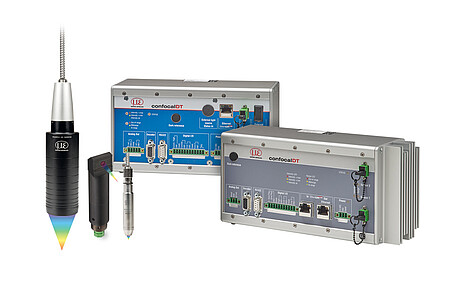
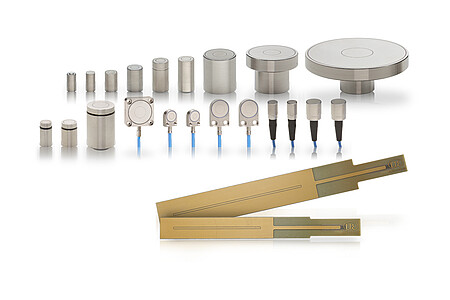
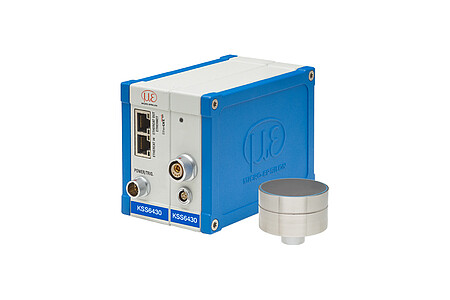
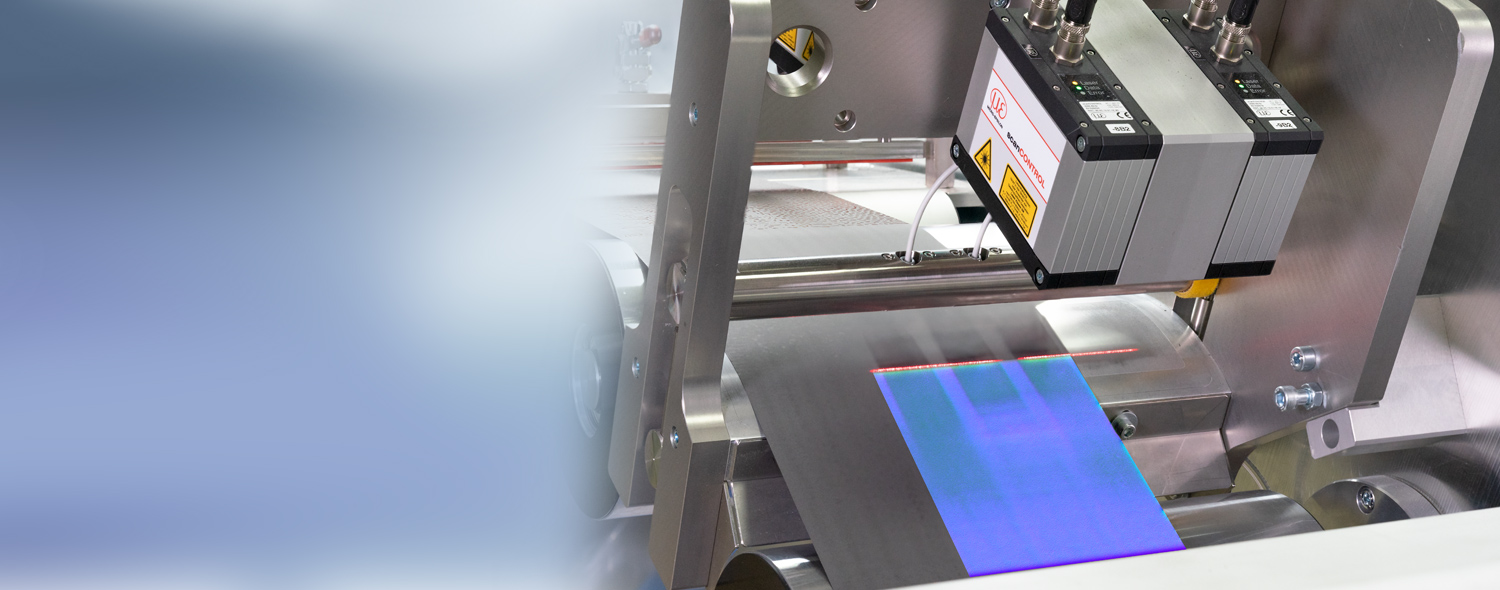
3D sensors and dimensional measurement technology for electrode and battery manufacture
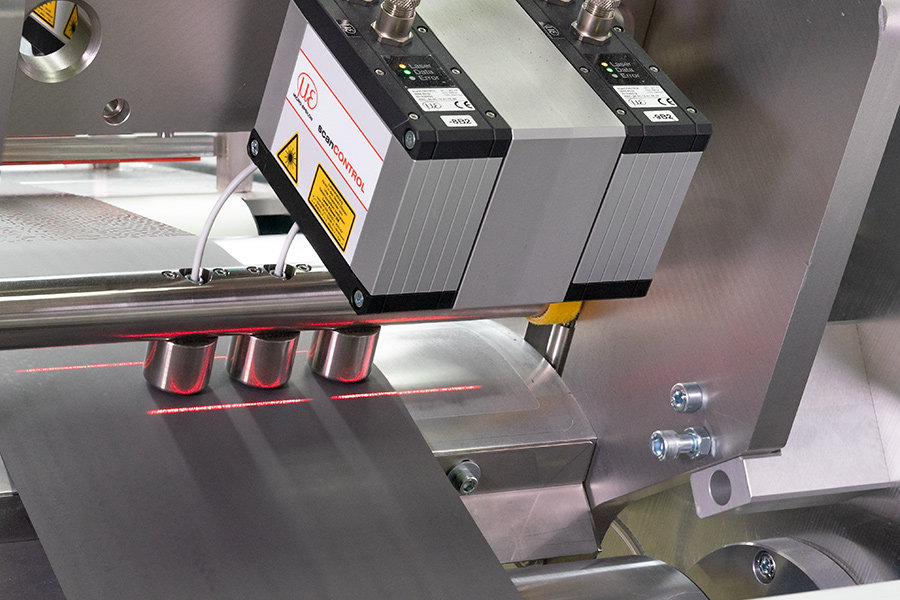
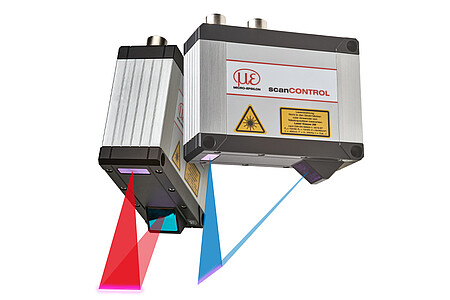
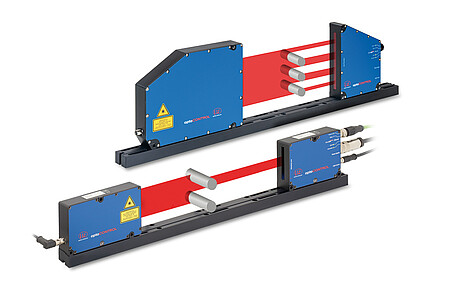
3D sensors from Micro-Epsilon are used for assembly monitoring and for 3D inspection of coated films. 3D laser scanners are suitable for continuous strip inspection, while 3D snapshot sensors are used for stop-and-go measurements with exceptionally high precision. The 3D sensors by Micro-Epsilon allow for stable measurement with a high resolution and detect flaws on the smallest of shapes, such as spalling and inclusions. Optical micrometers that reliably check sheet travel are used to monitor the edges of strips.
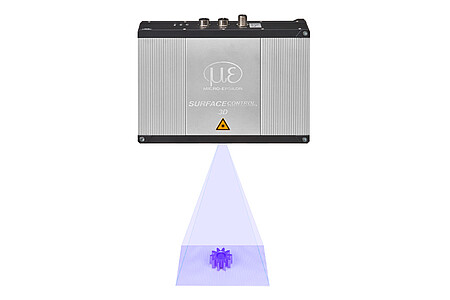
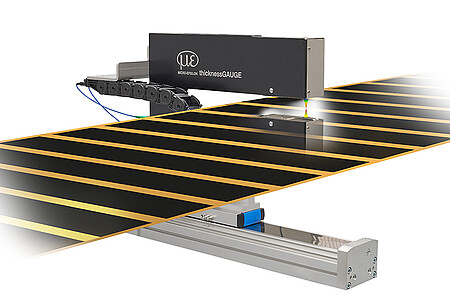
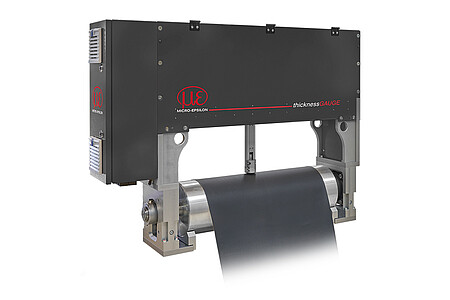
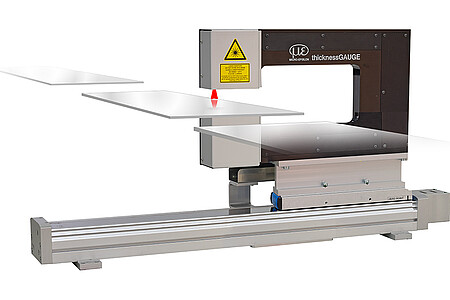
Inline systems for measuring the thickness of battery films
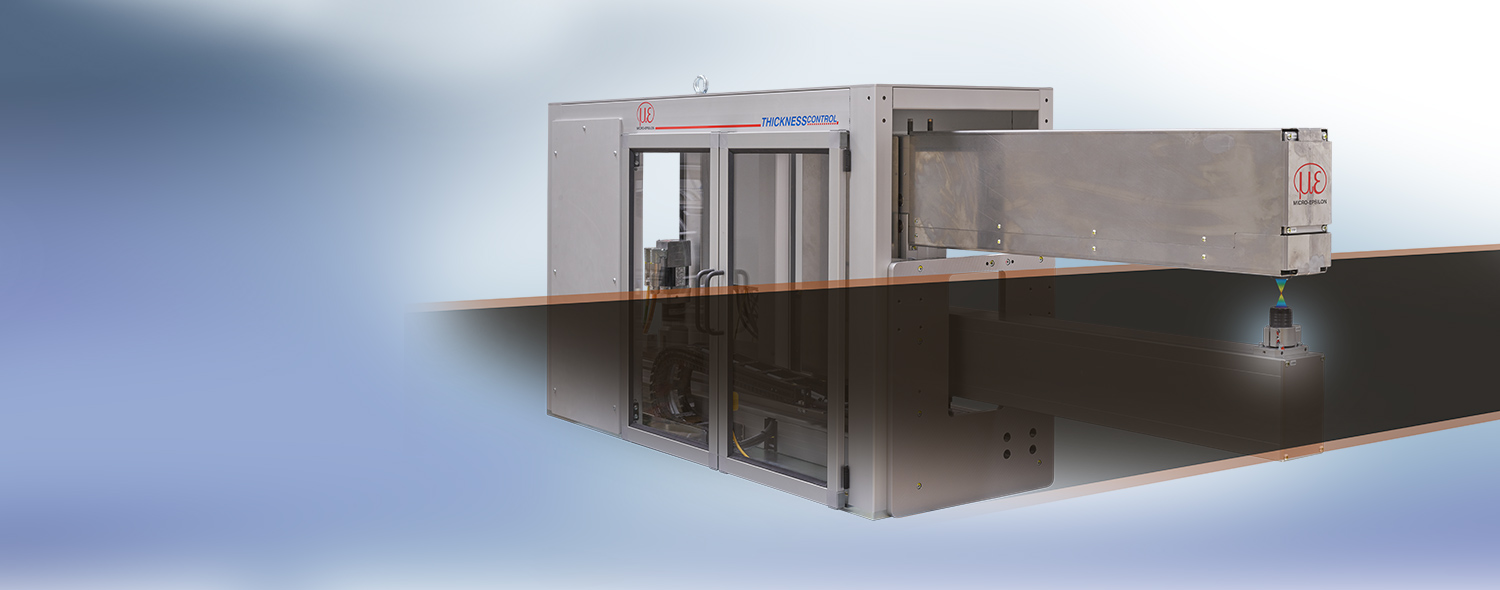
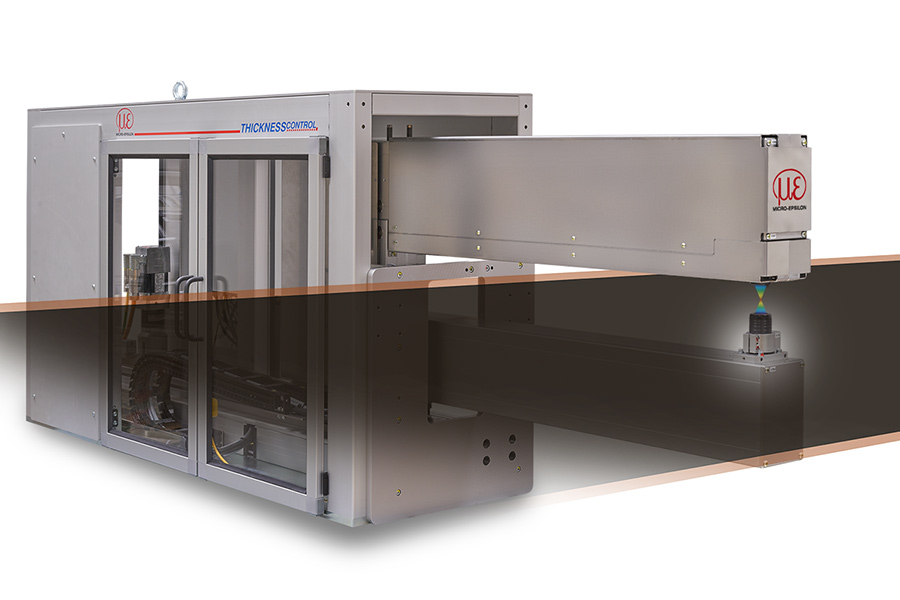
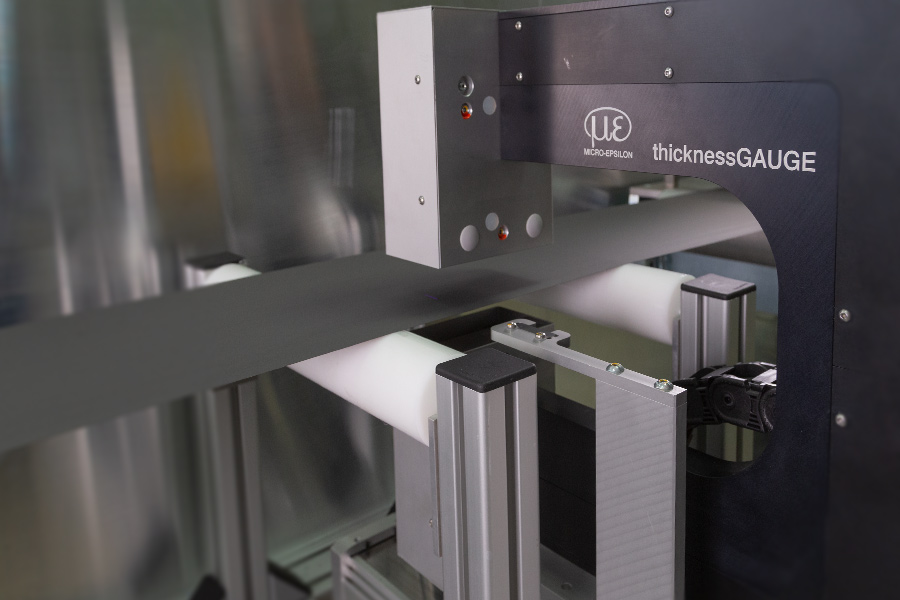
thicknessGAUGE sensor systems are used to measure the thickness of strip materials in-line. Several models with different sensor types, measuring ranges and measuring widths are available for precise thickness measurement. The systems use two optical or electromagnetic distance sensors to measure the strip thickness of cell material, films and coatings with micrometers.